The Ultimate Guide to 3D Printers: Ready-Made Kits vs. DIY Builds
3D printing is no longer just a futuristic concept, it’s a technology that's reshaping industries, empowering hobbyists, and opening up new creative possibilities. Whether you’re a newcomer or an experienced tinkerer, one of the first questions you’ll face is whether to go for a ready-made 3D printer kit or build your own machine from scratch. Let’s break down the benefits and drawbacks of each option, compare popular models like the Creality Ender 3 and the Voron, and explore some of the top 3D printers available today.
Ready-Made 3D Printer Kits: Convenience and Affordability
For anyone who’s new to 3D printing or prefers a quicker setup, ready-made kits are a great place to start. These kits usually arrive mostly assembled and are designed to be beginner-friendly, so you can start printing with minimal fuss. They’re also more affordable than custom-built machines, making them a popular option for hobbyists on a budget.
A Look at the Creality Ender 3
The Creality Ender 3 is one of the most popular entry-level 3D printers for a reason. It’s budget-friendly, relatively easy to set up, and backed by a huge online community. For around $200, the Ender 3 offers a respectable build volume and solid print quality right out of the box, making it an excellent starting point for anyone new to the hobby.
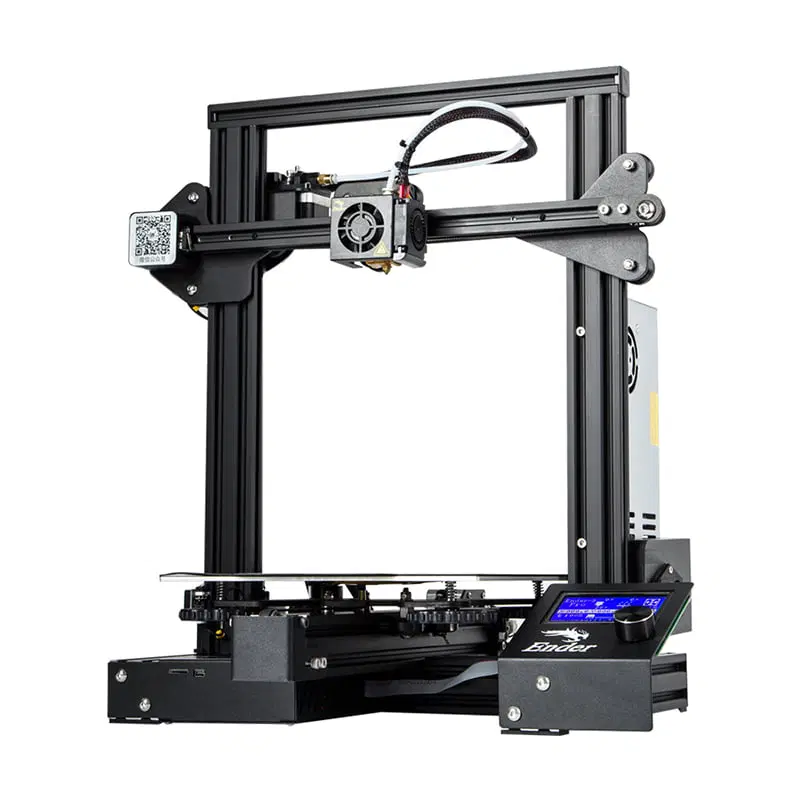
One of the best aspects of the Ender 3 is how customizable it is. While it performs well in its base configuration, there’s a wide variety of aftermarket upgrades available, from upgraded nozzles and hotends to improved bed leveling systems. This means that, as your skills and needs evolve, so can your machine.
Pros of Ready-Made Kits:
- Quick Setup: Minimal assembly is required, meaning you can start printing within hours of unboxing your kit.
- Affordability: Ready-made kits are typically budget-friendly, making them accessible to beginners.
- Large Community: Popular models like the Ender 3 have strong communities where you can find troubleshooting help, advice, and tips for upgrades.
- Upgradeable: Most kits can be modified and upgraded as you gain more experience with 3D printing.
Cons of Ready-Made Kits:
- Limited Customization: While there’s room for upgrades, you’re ultimately working within the constraints of the manufacturer’s design.
- Basic Components: Some kits come with cheaper parts that might need upgrading for better print quality or durability.
DIY Builds: Freedom and Performance
For those who love to tinker and want complete control over their machine, building a 3D printer from scratch is an exciting (though more involved) option. Open-source designs, like the Voron, allow you to hand-pick every component of your printer and assemble it exactly how you want. While this approach requires more time and technical knowledge, it can lead to a machine that’s perfectly tailored to your needs.
A Look at the Voron 2.4
The Voron 2.4 is a high-performance, open-source 3D printer designed by a dedicated community of makers. Known for its speed, accuracy, and robustness, the Voron is a machine for serious hobbyists and professionals who want to push the limits of 3D printing. Since the Voron is a DIY project, you’ll need to source all the parts yourself and spend time on assembly, but the result is a highly customizable, top-tier printer.
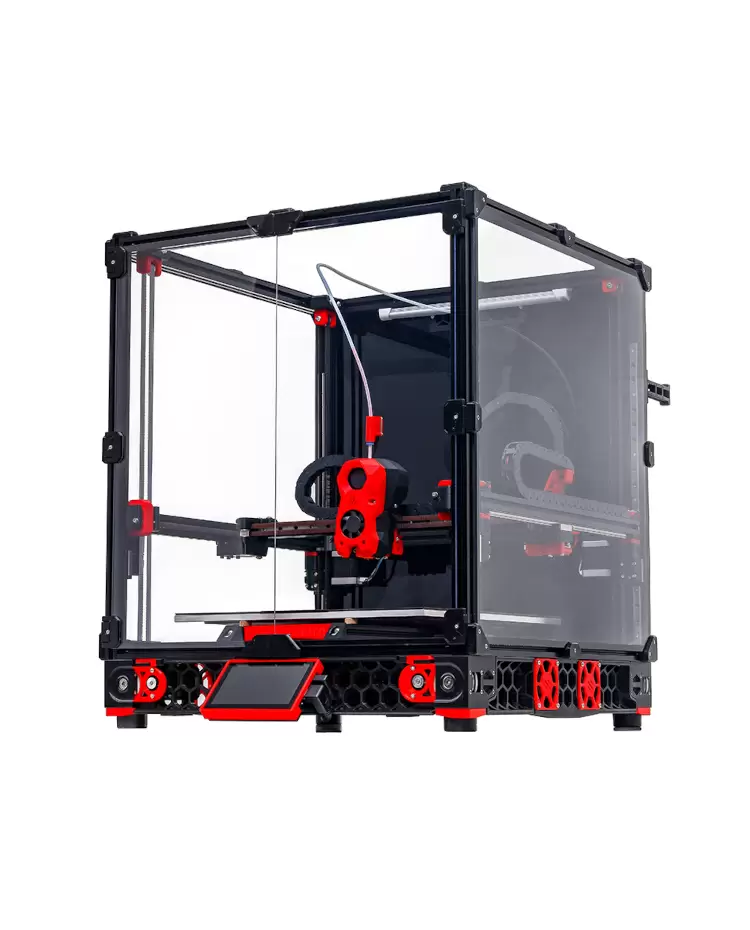
While building a Voron isn’t for the faint of heart, the reward is a machine that can outpace most off-the-shelf models in terms of print quality, reliability, and flexibility. If you enjoy challenges and want a machine that grows with your skillset, the Voron is a fantastic choice.
Pros of DIY Builds:
- Total Customization: You get to choose every component, from the frame to the hotend, giving you control over performance, size, and more.
- High Performance: DIY printers like the Voron can achieve impressive speed and accuracy when built correctly.
- Learning Experience: Building a printer from scratch is an educational journey that teaches you a lot about how 3D printers work.
- Flexibility: Open-source designs allow for ongoing modifications, upgrades, and experiments with new features.
Cons of DIY Builds:
- Time and Effort: Building your own printer requires sourcing parts and investing a lot of time into the build and calibration process.
- Higher Upfront Cost: While DIY printers can be cost-effective in the long run, the initial investment in quality parts may be higher than a ready-made kit.
- Advanced Knowledge Required: You’ll need a good understanding of 3D printing mechanics, electronics, and software to build a successful DIY printer.
The Best 3D Printers of 2024
If you’re still undecided on which route to take, here’s a quick rundown of some of the best 3D printers you can buy in 2024, whether you’re looking for an easy-to-use kit or a high-performance machine.
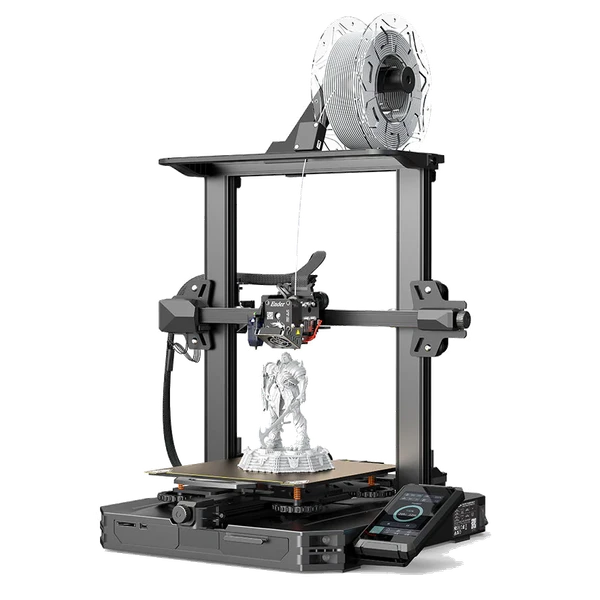
1. Creality Ender 3 S1
The Creality Ender 3 S1 is an upgraded version of the classic Ender 3, featuring auto-bed leveling, a direct-drive extruder, and quieter stepper motors. It’s an excellent choice for beginners who want a reliable, affordable machine with a few more advanced features than the base model. These are still one of the top sellers on Amazon, and the discounted prices have become much more competitive as of late.
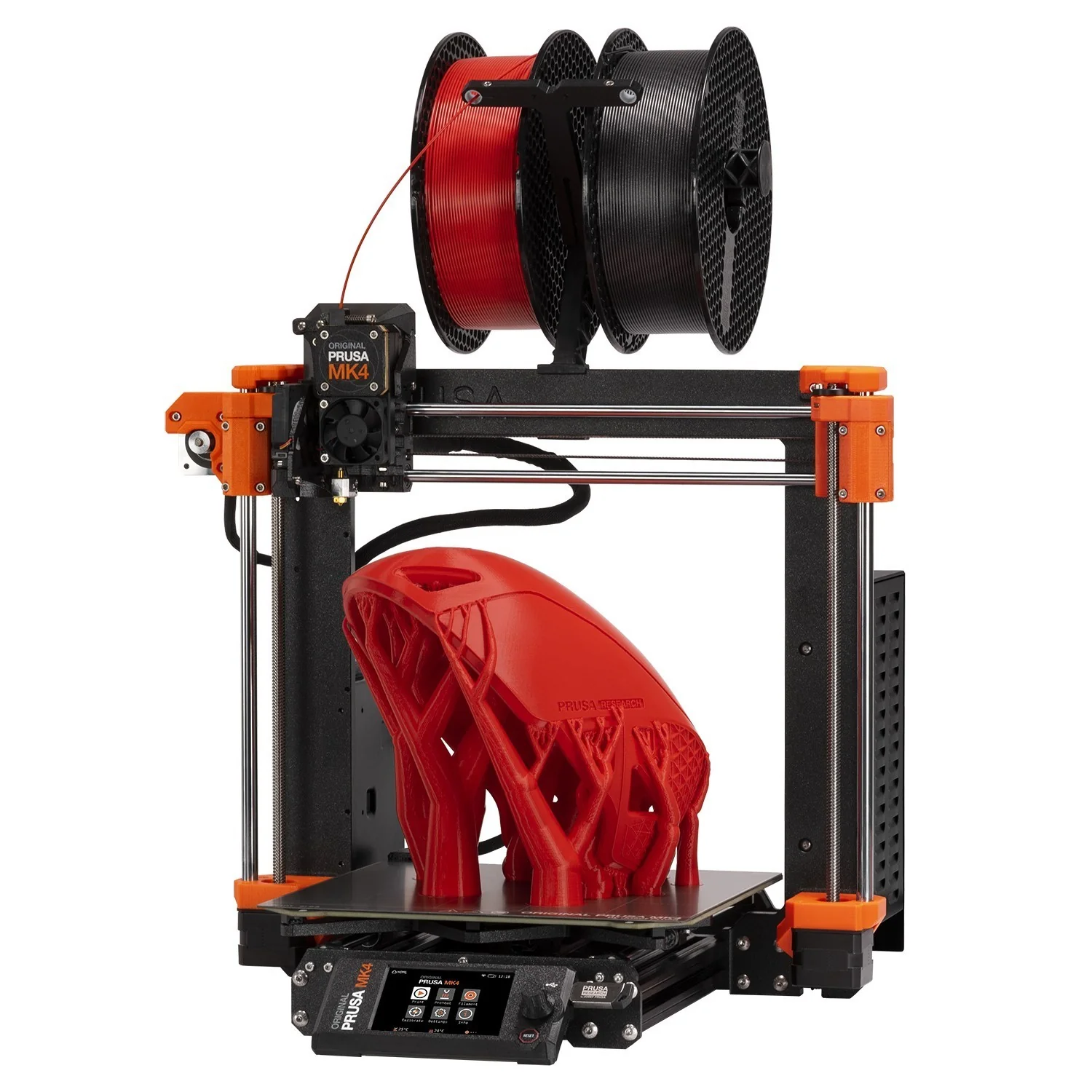
2. Prusa i3 MK4
The Prusa i3 MK4 is one of the most respected 3D printers in the market, known for its reliability, build quality, and ease of use. Prusa’s community and support are top-notch, making this a solid option for both beginners and more experienced users looking for a high-quality machine.
3. Voron 2.4
For those willing to take the DIY route, the Voron 2.4 remains one of the best options. With its high-speed printing, excellent precision, and endless customization potential, it’s a fantastic choice for those who want to build a high-performance machine from the ground up.

To help builders get started, companies like LDO Motors have created the Voron 2.4 Printer Build Kit that include everything you need. These are available in different machine sizes from the standard 250mm, medium 300mm and large format 350mm. They are also available in a wide range of colors including black, red, blue and gray.
4. Bambu Lab X1 Carbon
The Bambu Lab X1 Carbon is a feature-packed 3D printer aimed at users who want high-end performance with minimal tinkering. It offers fast printing speeds, multi-material capabilities, and advanced automation features that take much of the hassle out of 3D printing.
5. Anycubic Kobra Max
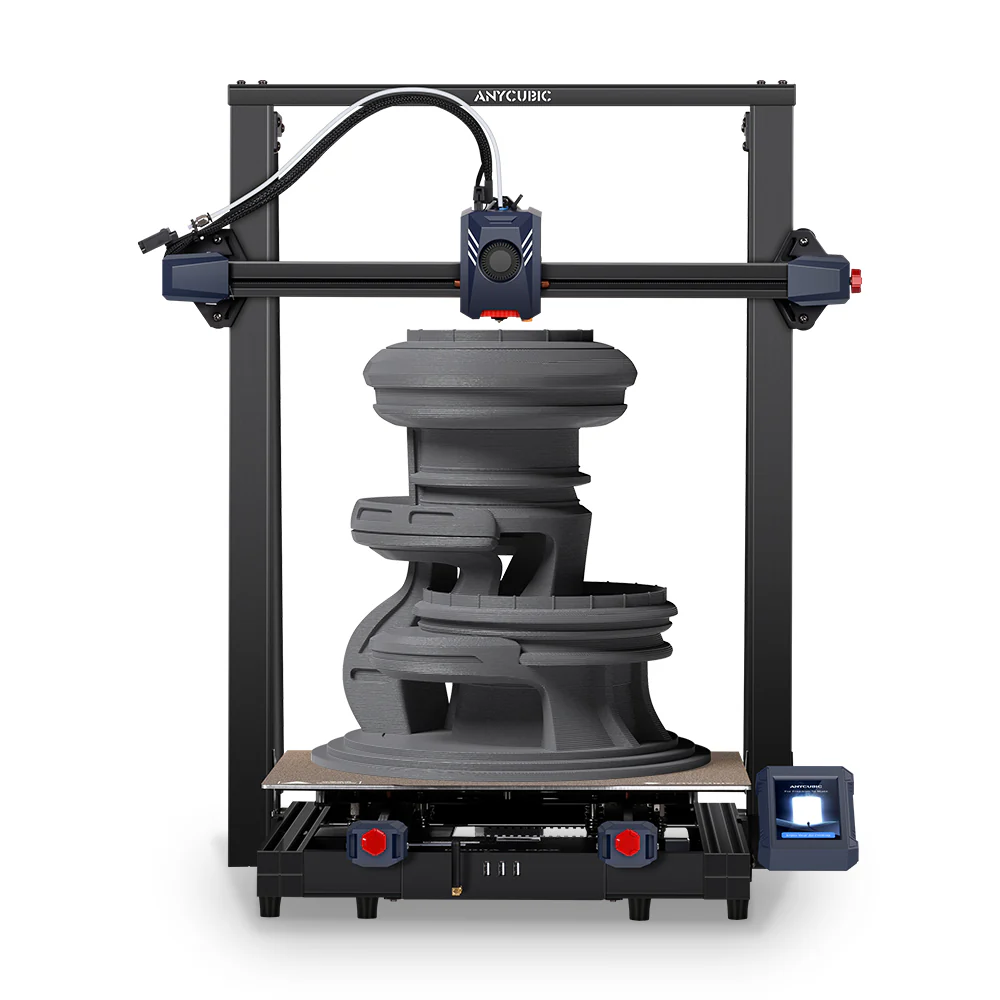
For anyone needing a large-format 3D printer, the Anycubic Kobra Max is an excellent option. With a massive build volume of 400x400x450mm, it’s perfect for larger projects, and despite its size, it remains affordable compared to other large-scale machines.
6. Sovol SV06
Similar to the aforementioned Ender 3 S1, the Sovol SV06 is based on the original Ender 3 but evolved to incorporate lots of new upgrades. The latest firmware can print at speeds up to 150 mm/s, it has a 32-bit silent board with TMC2209 stepper motor drivers, and plenty of other bells and whistles to enhance the printing experience.
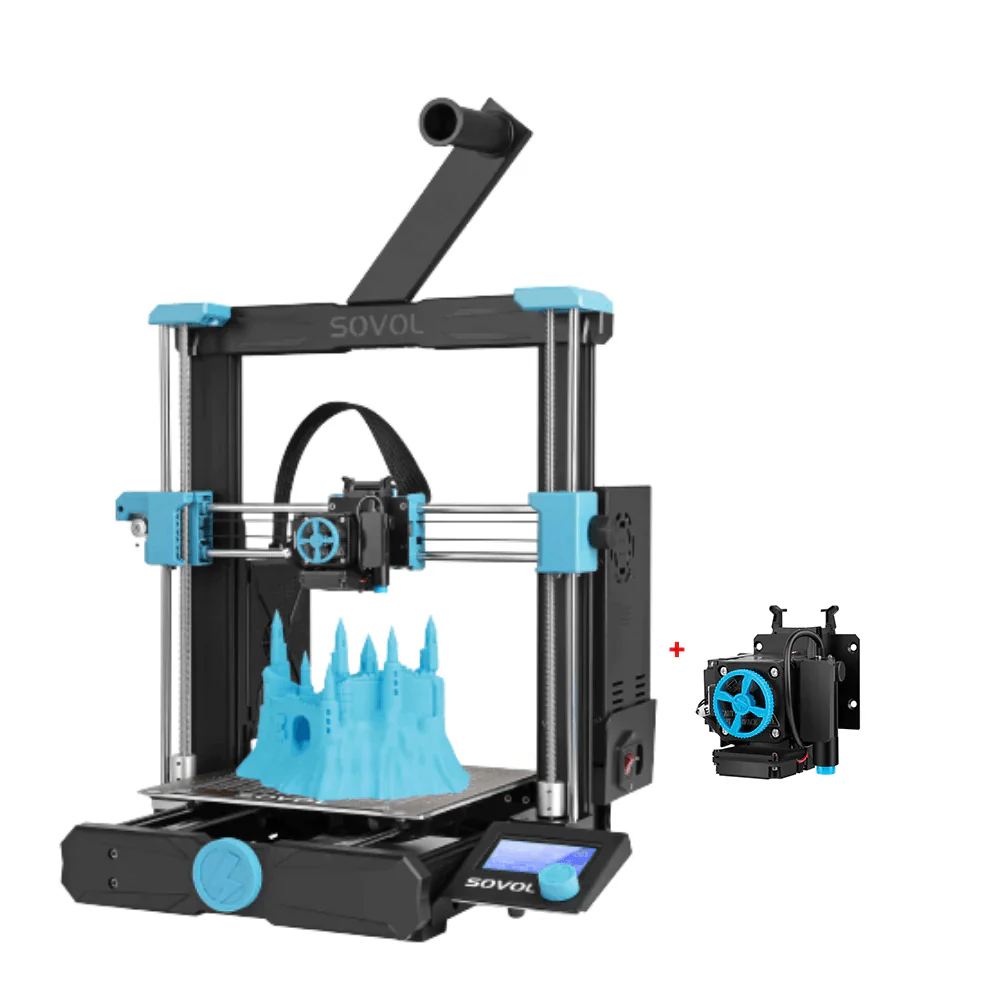
This can be purchased directly from the Sovol website, or at resellers such as KB-3D.
Conclusion: Which 3D Printer is Right for You?
Choosing between a ready-made kit and a DIY build depends on your needs, experience, and budget. If you’re just starting out, a kit like the Creality Ender 3 is an affordable and accessible entry point that allows for future upgrades. But if you’re an experienced maker looking for a machine that you can fully customize, a DIY build like the Voron 2.4 could be the perfect fit.
If you would like to check out more of the best 3D printers available in 2024 and going into 2025, I would recommend the 10 Best 3D Printers under $800. This article offers an excellent breakdown of the features and specs, offering a list of pros and cons to consider when shopping.
No matter which path you take, 3D printing offers endless opportunities for creativity, problem-solving, and innovation. Happy printing!